
Business ready and ready for Business The Invasion of the Tablet PCs.

By early 2011 the UK market will be awash with Business Tablets giving much needed competition to Apple’s iPAD. There are at least 10 new tablets coming to market, five for the big brands including – BlackBerry Playbook, Cisco Cius, Avaya Flare, Windows 7 Samsung Galaxy and the HP Tablet.  This clearly shows that the tablet pc format is here to stay, but how will tablets actually improve business performance and which of the Tablet brands will be a long term success in this space?

BlackBerry has a premium brand when it comes to business and if the initial specification of the BlackBerry Playbook is to be believed then it should be very popular. Sporting a newQNXoperating system that supports Adobe Flash, HTML5, multi-tasking, Unified Communications in the form of integrated video conferencing, integrated 3G and Wi-Fi and full High Definition video; the Playbook looks seriously fit for purpose. The rumours are that there will be 16GB and 32GB models available at launch.
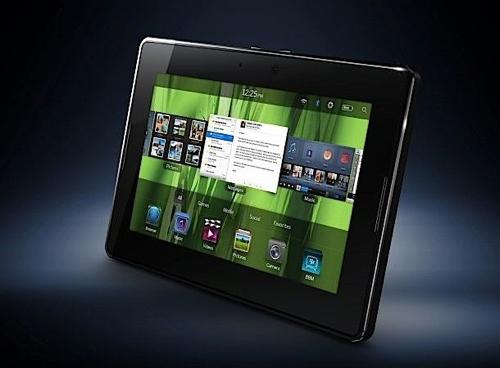
 

Blackberry Playbook

Blackberry Playbook

Unified Communications also features heavily in the forthcoming Cisco Cius, powered by the Android operating system it offers users video and multi-party conferencing plus a raft of other business features and Cisco’s brand will also play well within the business space.
Like the Cius, the Avaya Flare also uses the Android operating system and again majors on multi-media and Unified Communications, providing the user with High Definition Video Conferencing, Presence and SIP (voice over IP) Telephony and can even support multiple simultaneous conferences.
As a side note, the Android OS is looking more and more flexible these days with smartphones not the only hardware platform it will excel at and shows that Google surely must launch its own Tablet PC soon – or maybe HDC is busy building one as we speak!
Last but certainly not least is the Windows 7 Tablet PC platform and the plethora of manufacturer devices like the Samsung Galaxy and HP Tablet and at least another 5 manufacturers readying their devices within the next few months.
The fact is that the Windows Tablet devices will have a huge tactical advantage in the business space because of Microsoft Office. Used by virtually all businesses, Microsoft Office is the stickiest software suite in history and will be leveraged extensively by Microsoft and its partners to lure the business user with advantages such as document compatibility and the widest integration into Microsoft’s massive software stack.
Extensive integration with applications such as SharePoint, Lync (Unified Communications), CRM and Exchange will no doubt be included from launch giving the platform a head-start.
However there are also big challenges too – can Microsoft improve the usability and user experience of the Windows 7 OS when used with the touch screen interface – something that has caused the company issues in the past with its older Windows Mobile platform and hopefully addressed in the new Windows Phone soon to be launched. So which Tablet will we all end up with?


Currently it’s anyone’s guess – but my Christmas list just got a little bit longer.
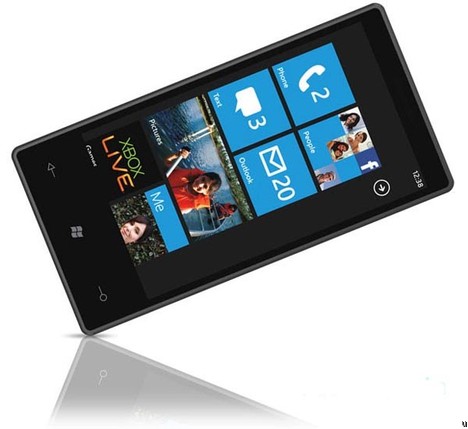
The Smart Phone Wars – A New Hope. Will the forthcoming Windows Phone 7, Nokia N8 or the BlackBerry Torch be able to break the iPhone and Android dominance in the Smartphone market ?

Within the next month the BlackBerry Torch, the Windows Phone 7 and the Nokia N8 will be released to the general public. All three phones are designed to eat into the dominance of Apples iPhone and Googles Android platform and the question is whether any of the three will be successful enough to make inroads against the might of Apple and Google.

Microsoft Phone 7

Phone 7

From a business perspective, both Microsoft and Nokia have been historically strong but their market share have weakened lately, however RIMs BlackBerry devices have seen continued success within the business market.

Many people do question whether businesses need a BlackBerry phone to try and compete with the iPhone and Android as typically businesses want their Smartphones to access to their business applications on the move, great battery life, ease of use and reliability of the phone in general.

In fact, all three phones (Nokia N8, Windows Phone 7 and BlackBerry Torch) do have something in common their new features and capabilities are primarily designed to attract consumers away from iPhone and Android and extending their business specific capabilities seems to be second place with more modest changes apparent in all three devices. The iPhone and Android went the other way first launching consumer devices and later adding business capabilities.

Granted, the Windows Phone 7 will be able to edit SharePoint (Microsofts web portal technology) documents on the fly but there is no Unified Communications software capability for Microsofts own Unified Communications products available at launch. In fact, most of the new features of this phone are around consumer multi-media capabilities and consumer software applications linking the phone with Microsoft Live Microsofts consumer web platform.

The Nokia N8 is powered by the new Symbian 3 software and does have the Unified Communications software pre-installed which is a boon for businesses wanting to use Microsofts Unified Communications Technology and also has improved multi-tasking another business feature, however many of the new capabilities are targeted at the consumer such as improved graphics, multi-point touch and multiple home screens. The

BlackBerry Torch 9800 runs the new OS 6 and again has many improved consumer features such as an improved 5MP camera and integrated social networking and although it features a slide out qwerty keyboard, the touch screen interface features heavily.

It will be interesting to see whether the power of Apples iPhone and Googles Android brands will win over the new advanced features of these three new devices.


How Microsofts Hyper V and Next Generation Hosted Unified Communications Platform will drive the Cloud model through the Telecoms Industry.

The economic environment and the improving quality and reduction of cost of broadband connectivity is tipping hosted iPBX products from early adoption in to the mainstream within the UK; there is still a way to go but all indicators point to this movement.

Microsoft Lync Server


Driven by the demand of small and medium sized businesses to have a flexible and mobilised workforce, companies are seeking out new technologies to help bolster their bottom line. Technologies such as Hosted iPBX and Unified Communications.

Its not just the SMB; the (cash strapped) public sector is also showing a keen interest in deploying their next generation telecoms and unified communications in the cloud in order to further reduce their operational costs.

While this shift is taking place, the Lync Server (Microsoft’s next generation communication Server) – single tenant version – is readying for launch and in less than a year later a multi-tenant version will be released.

Just A few years ago most single tenant server software would be deployed at a customers premise. However due to the maturing of virtualisation technology from Microsoft and others the deployment options are now somewhat different.

It is expected that many single tenant dedicated deployments will be placed in the cloud under the control of Dynamic Data Centre and other competing technologies.

Lync Server (Microsoft’s Unified Communication Server) will essentially replace the function of the on-premise PABX and even many functions of the advanced hosted iPBX systems currently on the market.

So if it will be possible to deploy a dedicated Customer Unified Communications System that replaces a company PABX and adds many advanced capabilities using very low cost hosted software low cost handsets and soft-phones – what will this do to the Telecoms Industry ?

The jury is still out, but one thing is for sure, change is coming!


Hybrid Cloud Communications – How Telecoms Resellers can turn their CAPEX based Businesses into OPEX based service operations.

Telecoms Resellers who want to sell the new Cloud Based Communication Services have a challenge – how they turn their mostly CAPEX based business models into an OPEX based service business without destroying their cash-flow in the short term.

Many Telecoms Resellers who install and maintain PABXs (telephone systems) rely on the upfront profit generated from companies purchasing their equipment, whereas cloud based services are all OPEX based monthly service fees. These upfront margins generated from equipment sales help pay their staff and sales commission and without them it is hard to incentivise their sales people with very low month on month service fees.
However, Telecoms Resellers recognise that capital equipment purchases are on the decline as CAPEX budgets are cut (both in the public and private sectors). Resellers also realise that Cloud based software and telecoms services are expanding quickly and want to move to a more future proof business model.
Hybrid Cloud Communication Services can offer a potential answer because these types of solutions work with and complement the existing telecoms equipment supply model but also provide a way to move the reseller business over to a service revenue model in incremental steps rather than a big leap.
It’s also great news for the end customers who will see their initial PBX capital investments future-proofed, capabilities extended and allows them to expand their phone systems without requiring further capital investment.
An example of a Hybrid Cloud Communication Service is Outsourcery’siP PBX Overlay product which works by delivering new Unified Communication capabilities from the cloud – such as Click to Call, SIP Trunking, Presence, Instant Messaging, Desktop sharing, call recording and Video Conferencing all in one package.
It does all of this without having to change the PBX in any way – companies still use their same desk phones and phone system but now have the ability to improve productivity and expand their phone system by adding additional IP Phone extensions to the same site or different locations as required – all under the same extension group. This not only expands the capacity of their phone systems without requiring any new line or extension cards but also gives greater resilience.
For the reseller, the incremental service revenues generated from selling these new Unified Communication services will soon start to build up and eventually overtake the cash generated from the CAPEX sales allowing a far smoother transition to the cloud.