
Two Facts: Smartphones are a key component in business productivity and Smartphones are the first truly converged device offering both telephony and software capabilities in a single device.
Given both these facts it is a logical assumption, choosing the correct Smartphone device for your workforce is becoming a critical IT decision.
Historically the company mobile phones were handled by the phone guy, or the telecoms department within an organisation. However because of this convergence, the buying process needs to be treated with the same care and due diligence as purchasing an expensive CRM System.
Within the last few months the BlackBerry Torch, the Windows Phone 7 and the Nokia N8 have been launched to the general public. All three phones are designed to eat into the dominance of Apples iPhone and Google’s Android platform and the question is whether any of the three will be successful enough to make inroads against the might of Apple and Google.
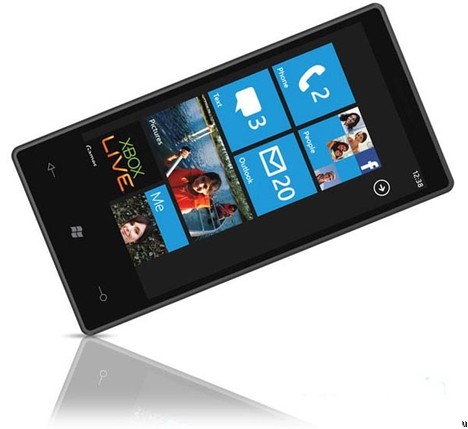
Phone 7
From a business perspective, both Microsoft and Nokia have been historically strong but their market share have weakened lately, however RIMs BlackBerry devices have seen continued success within the business market – their Smartphones are outselling others in the business space.
Many business people do question whether an employee needs a BlackBerry phone to try and compete with their personal iPhone or Android as typically businesses want their Smartphones to access to their business applications on the move, great battery life, ease of use and reliability of the phone in general. Currently it seems that the smarter the phone the poorer the battery.
In fact, all three phones (Nokia N8, Windows Phone 7 and BlackBerry Torch) do have something in common: their new features and capabilities are primarily designed to attract consumers away from iPhone and Android and extending their business specific capabilities seems to be second place with more modest changes apparent in all three devices.
The iPhone and Android went the other way first by launching consumer devices and later adding business capabilities.
Granted, the Windows Phone 7 will be able to edit SharePoint (Microsoft’s web portal technology) documents on the fly but there is no Unified Communications software capability for Microsoft’s own Unified Communications products currently available. However, my spies at Redmond tell me this is scheduled for this year – along with multi-tasking and some other great features.
Windows Phone 7 may not quite be the finished article, but it is innovative, fresh and a great new Smartphone start for Microsoft.
In fact, most of the new features of this phone are around consumer multi-media capabilities and consumer software applications linking the phone with Microsoft Live Microsoft’s consumer web platform – pointing to Microsoft’s firm belief of the Consumerisation of IT where home and work software is shared on the same hardware – be it Smartphone or Computer. Because of this, most of the new features are heavily skewed to consumer activities as opposed to business ones.
The Nokia N8 is powered by the new Symbian 3 software and does have the Unified Communications software pre-installed which is a boon for businesses wanting to use Microsoft’s Unified Communications Technology and also has improved multi-tasking, however, many of the new capabilities are targeted at the consumer such as improved graphics, multi-point touch and multiple home screens.
The BlackBerry Torch 9800 runs the new OS 6 and again has many improved consumer features such as an improved 5MP camera and integrated social networking and although it features a slide out qwerty keyboard, the touch screen interface features heavily. The jury is out as to whether this device will be the best of both worlds in terms of tactile keyboard and touch screen or whether it will end up as the jack of all trades – time will tell, but given the vast amount of TV Advertising being thrown at the Torch by RIM – it is sure to sell in volume.
It will be interesting to see whether the power of Apple’s iPhone and Google’s Android brands will win over the new advanced features of these three new devices.
As far as the next killer mobile application – it may well be video conferencing but currently there are very few Smart Phones on the market that support this feature and more importantly no UK Mobile networks can reliably carry a video call over 3G.
So it seems that Smart Phones have caught up with the current capabilities of the mobile networks and until 4G networks are launched we may find that real-time applications such as Voice over IP and video calling are confined to company wireless LANS.
 Designing Employee Performance and Development Software in an agentic world